


Mistakes to Avoid When Incorporating a Living Room Bench into Your Décor
A living room bench can really change how your room looks and works. It gives you extra seating, adds storage, fills an empty wall, or just adds a stylish touch. However, if you pick the wrong size or place it in the wrong spot, it can make your room feel off instead of better.
Many people even designers don't realize how much thought goes into choosing the right bench. The size of the living room bench, where you put it, the material, and what you want it to do in your space all matter. A bench that looks great in a store might not fit well in your living room. Here we will talk about common mistakes people make with a living room bench and how you can avoid them.
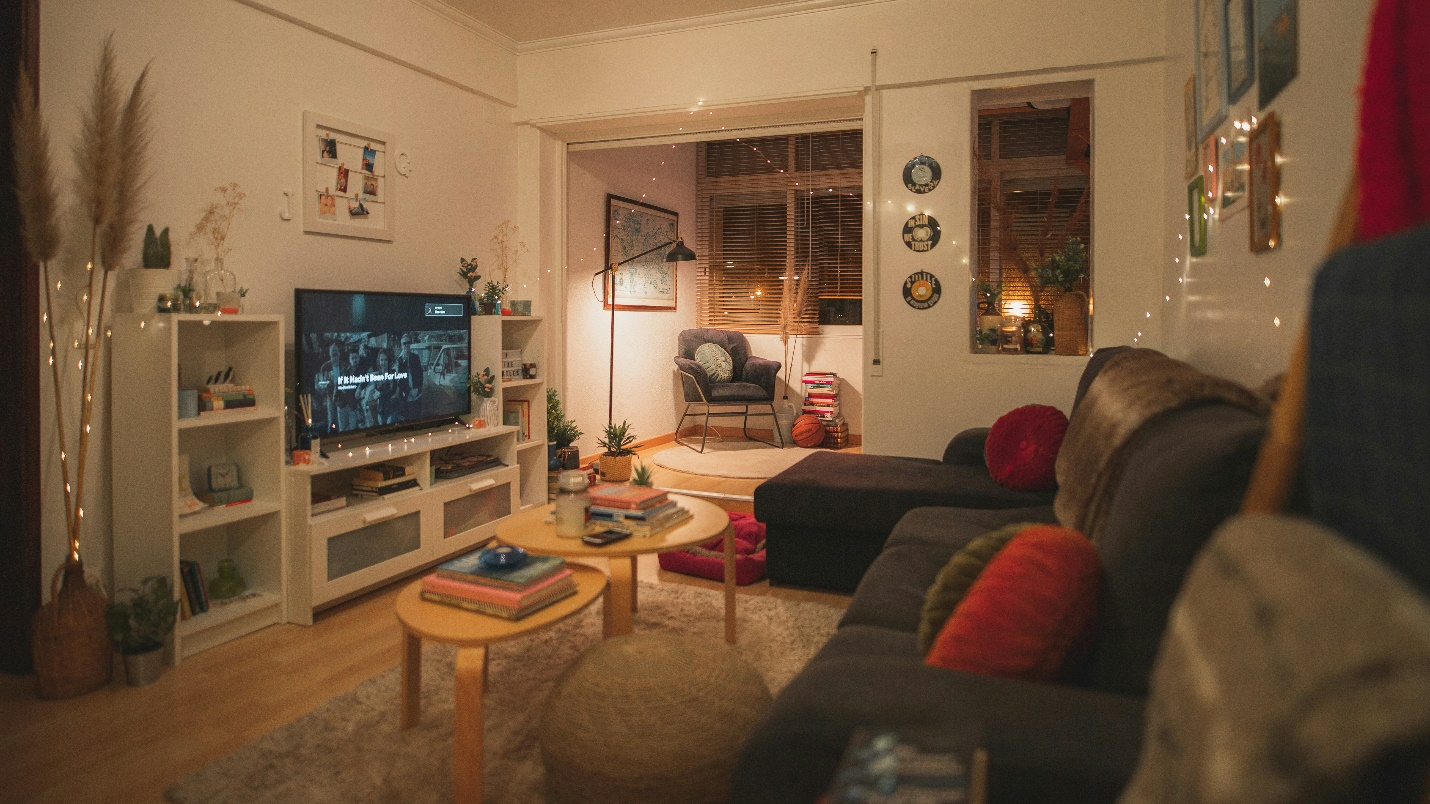
Ignoring Room Size and Shape Is the Biggest Mistake
One big mistake is picking a living room bench that does not match the size of your room. If the bench is too big for a small room, it will make the space feel cramped. If it is too small for a big room, it might look out of place or like something is missing.
You should measure your space carefully before you buy. Think about how long your sofa is, how wide the walkways are, and how close other furniture pieces are. The bench should fit naturally in the room.
Size is not just about length. Height and depth matter too. A bench that is taller than your sofa can look strange. A bench that is too deep might get in the way when people walk around.
Blocking Natural Walkways
Another issue is putting the living room bench where it blocks the natural paths of people through the room. Usually, people walk from the door to the sofa, from hallways to windows or balconies, or around tables. If the bench sits right in these paths, it can be annoying and make moving around hard.
- Make sure there is enough space, about 18 to 24 inches, between the bench and other furniture. So, people can walk comfortably.
- You should think about how people will move around every day when you decide where to put the bench.
This way, your bench would not get in the way but would fit smoothly into your living space.
Choosing Style Over Function
It is easy to fall in love with how a bench looks, but do not pick one just because it is pretty. Your bench should have the utility and it should worth the investment you are doing on it.
Ask yourself these questions,
- Will you actually sit on it?
- Is it mainly for decoration?
- Do you need storage inside it?
If you plan to use it for seating, comfort is important. Look at the cushion thickness and seat height. If storage matters, make sure the bench opens easily and has enough space inside. A beautiful bench that does not fit your needs can end up feeling like a waste.
Overlooking Material Choice Is a Serious Mistake
Choose a bench material that fits your lifestyle. For example, light-colored fabric might not be the best if you have kids or pets. A wooden bench without cushions might not be comfortable for sitting for a long time. A good living room bench will also guide you about it, but you should not ignore this at your own too.
Consider how often you will use it. Will it hold up to daily wear? Is it easy to clean? Durability matters, especially in busy living rooms. A strong frame and good upholstery will help your bench last longer.
Placing a Living Room Bench Without a Purpose
A bench should have a clear role in the room. Sometimes people buy a bench just to fill a space. Without a purpose, it can feel random or unnecessary.
Here are some good ideas for placing a bench:
- In front of the sofa for extra seating
- Against a wall to add style
- Near a window for a cozy reading spot
- Behind a sofa in open-plan rooms
When your bench has a purpose, it feels like it belongs.
Forgetting Visual Balance
Every piece of furniture affects how the room looks overall.
If your room already has bold furniture, adding a heavy, ornate bench might make things feel cluttered. On the other hand, a very plain bench might get lost in a room full of detailed pieces.
Balance is important. Look at the shapes and colors around the room. If your sofa has straight lines, a bench with clean edges will fit well. If your decor is more curved and softer, a rounded bench might be better. The goal is to make everything work together, not compete for attention.
Overlooking Storage Options Can be Disturbing
Modern living room benches come with hidden storage, and not using this feature well can be a missed chance to keep your space organized.
In small living rooms, storage benches are ideal for storing items such as blankets, books, or toys. This helps keep your room neat without needing extra cabinets.
But some people don't check how deep the storage space really is. If it is too shallow, it might not be very useful. Before you buy, check the inside measurements to ensure the lid opens smoothly without hitting walls or furniture.
Forgetting Comfort for Looks Only Can be a Problem
If you plan to use your bench for sitting, comfort is very important. Hard wooden benches without cushions might look nice, but are not comfortable for sitting for a long time. Thin cushions can also lose their shape quickly.
The seat height should be close to your sofa's height, usually between 16 and 18 inches. This keeps the room looking balanced and makes sitting easier. If you can, try sitting on the bench before buying to see how it feels.
Smart Ways to Avoid Decor Mistakes
Here are three simple strategies to help you use a living room bench effectively. These steps can save you from costly design errors.
- Plan the layout before purchasing: Sketch your living room layout or mark the bench size on the floor using tape. This helps you see how it will fit.
- Match the bench to existing furniture: Consider height, color, and style. The bench should connect visually with nearby pieces.
- Focus on everyday needs: Think about how often the bench will be used and who will use it. Choose materials and size based on real-life use.
FAQs
Where is the best place to put a living room bench?
Common spots are in front of the sofa, against a wall, under a window, or behind a sofa in open spaces.
How do I pick the right size bench?
Measure the space you have and check nearby furniture. Make sure the bench doesn’t block places where people walk.
What materials work best for a living room bench?
It depends on how you will use it. Fabric with a strong frame is comfy, while wood or metal benches are very durable.
Conclusion
A living room bench is more than just extra seating. It can add storage, bring style to your room, and make your space more practical. But without good planning, it might make the room feel unbalanced, block pathways, or look out of place.
To avoid these problems, pay attention to the bench's size, where you put it, the material, and what you will use it for. Measure your space carefully, think about how you'll use the bench every day, and make sure it fits your room's style. When chosen with care, a living room bench can become one of the most useful and beautiful pieces in your home.

 3/F, No.8,Zhi' An Middle Road, Jun' An Town, Shunde District, Foshan City, Guangdong Province,China.