


How to Measure and Fit a Living Room Bench in Any Space?
A living room bench is one of the most flexible furniture pieces you can add to your home. It can provide extra seating, create a focal point, offer hidden storage, or simply complete an empty area. However, if the size is wrong or the placement is poorly planned, it can quickly make the room feel crowded or unbalanced.
Many people choose a bench based only on style. While design matters, proper measurement and fitting are far more important. A well-sized living room bench blends into the space naturally and supports daily use without blocking movement. Working with the right living room bench manufacturer and choosing the right measurements are the keys.
In this guide, we will walk through the practical steps to measure, plan, and fit a living room bench into any type of space, from compact apartments to large open living areas.
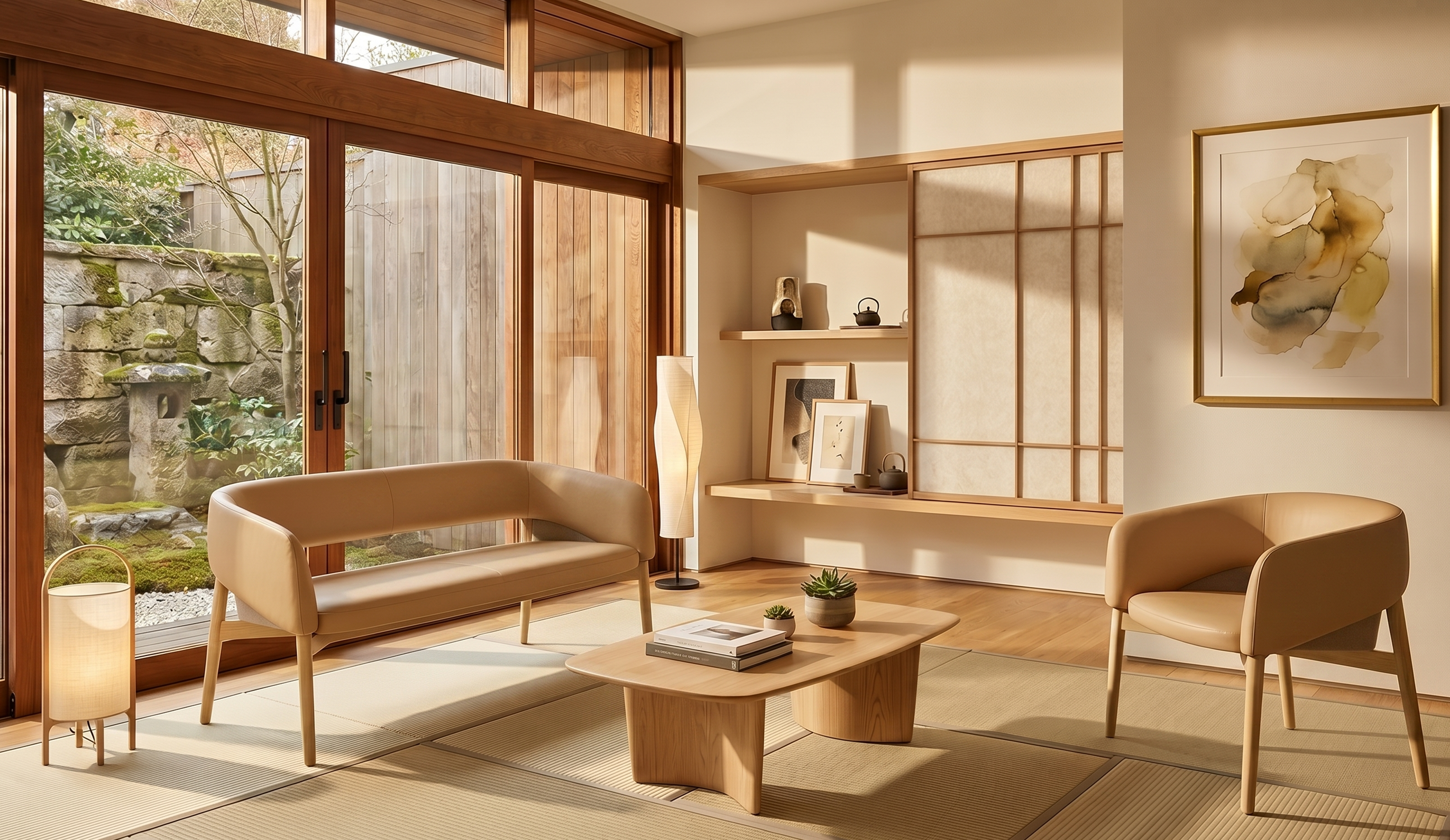
Understanding the Use of a Living Room Bench Before Measuring
Before picking up a measuring tape, think about how you plan to use the living room bench. You should be sure of what you want to do with the bench. Will it serve as,
- Extra seating in front of a sofa?
- A decorative piece under a window?
- A storage solution for blankets or toys?
- A divider in an open-plan layout?
The function directly affects the size you need. For example, a living room bench used for seating should match the height of nearby furniture. A storage bench may need extra depth. A decorative bench can be slimmer. Defining the purpose first prevents unnecessary mistakes later.
How to Measure Your Room for the Perfect Bench?
Getting the right measurements is the key to choosing a bench that fits well. You should not do it causally rather you should be precise with the measurement to get good results.
Start by measuring,
- The length and width of the space where you want to put the bench
- The distance between other furniture nearby
- The height of nearby seats, like sofas or chairs
Write down your measurements carefully, don't guess. Even a few inches can make a big difference, especially in smaller rooms. If you plan to place the bench in front of your sofa, measure the length of the sofa. The bench should usually be a little shorter so it looks balanced.
If you want to put the bench against a wall, measure the width of the wall and leave some space at each end. This keeps the bench from looking squeezed in.
Leave Room to Move Around
Your living room should feel open and easy to walk through. So, after measuring the bench area, check how much space is left for walking. Ideally, there should be 18 to 24 inches of space between the bench and other furniture.
If it looks too tight, choose a narrower or shorter bench. Always think about how people will walk around the room every day. Clear paths help the room feel organized and comfortable.
Match the Bench Height to Your Furniture
Height is often overlooked, but very important for how the bench fits in. You can consult and confirm the height from your living room bench manufacturer, too.
Most sofas have a seat height between 16 and 18 inches. If you want to sit on the bench, try to pick one within that height range. A bench that is too tall can look odd next to lower furniture. One that is too low might be uncomfortable to sit on.
If you are placing the bench under a window just for decoration, measure the window sill height. The bench should be lower than the sill so it doesn't block the light.
Pick the Right Depth
Depth affects how comfortable the bench is and how much space it takes up.
For sitting comfortably, a depth between 15 and 20 inches usually works well. A bench that is too deep might block pathways, especially in small rooms. In tight spaces, slim benches keep things looking neat. In bigger rooms, a slightly deeper bench can make more of a statement without crowding the space.
Always measure the distance between the bench and your coffee table to make sure there is enough room and the area does not feel cramped.
Easy Ways to Fit a Bench in Any Room
When you are getting ready to add a living room bench, try these simple tips to make sure it fits just right. Taking these small steps can save you from problems with your room layout later on.
- Mark the size on the floor: Use masking tape to outline the size of the bench on the floor. This way, you can see exactly how much space it will take before you buy it.
- Check for door and drawer space: If the bench has storage or is near doors, make sure there is enough room to open lids, drawers, or doors without any trouble.
- Test the seat height for comfort: Sit on a chair or sofa seat that is about the same height as your sofa. This helps you get a feel for how comfortable the bench will be.
Fitting a Bench in Small Living Rooms
Small rooms need a bit more thought when adding a bench. Pick a shorter bench that is not too deep. Putting it against a wall saves space and keeps the walkways clear.
- Storage benches are especially helpful in small rooms because they let you store things without adding extra furniture.
- Try to avoid benches with thick legs or heavy frames. They can make the room feel cramped. Slim and simple designs look lighter and fit better.
If the room still feels crowded after adding the bench, try moving it slightly or opt for a smaller size.
Planning for Medium-Sized Rooms
Medium-sized rooms give you more options. You can put the bench in front of the sofa, near the coffee table, or along an empty wall. Just make sure the bench fits well with the size of your other furniture.
Keeping good space around the bench is important. It should not stretch beyond the edges of your sofa. You can also use the bench as extra seating for guests. If you do, pick one with comfortable cushions so everyone can sit comfortably.
Fitting a Bench in Large or Open-Plan Spaces
In big rooms, a living room bench can do more than just provide seating. It can divide different areas in the room. It can also sit behind a sofa as a decorative touch. You can get extra seats when you have guests
Bigger rooms can handle longer benches, but it is important that the bench does not look too small for the space. Some people like to use two matching benches instead of one long one to create a balanced look.
Thinking About Storage Benches
If your bench has storage inside, measuring carefully is very important. You can use the storage spaces to your advantage as it will give you space and utility in one place.
Check these things before buying,
- The size inside the storage area
- Enough space to open the lid fully without hitting walls or furniture
- How much weight the bench can hold
Storage benches are great for keeping blankets, books, or toys organized. Taking accurate measurements will help you avoid problems and make daily use easier.
FAQs
How much space should I leave around a living room bench?
Try to leave about 18 to 24 inches of space around the bench. This makes it easy to walk around and keeps the room from feeling crowded.
What is the best height for a living room bench?
Most benches are between 16 and 18 inches tall. This matches the height of most sofas and helps everything look balanced.
Can I use a living room bench in a small apartment?
Absolutely. A narrow bench with slim legs or one that has storage inside is perfect for small spaces. Just be sure to measure your space carefully before buying.
Conclusion
A living room bench can give you extra seating, storage, and style in almost any home. However, to make it work well, it is important to measure carefully and choose the right fit.
First, think about how you will use the bench. Then, measure your space and make sure there is enough room to move around. Pick a bench that matches the height and depth of your other furniture. If you want storage, check that it is practical and well-made.
Taking a little time to plan will help you avoid common mistakes. When the bench fits just right, it becomes a helpful and beautiful part of your living room.

 3/F, No.8,Zhi' An Middle Road, Jun' An Town, Shunde District, Foshan City, Guangdong Province,China.