


Space Optimization: Choosing Bar Furniture for Small Restaurants
Managing a small restaurant is associated with a set of unique difficulties, space being one of the most frequent ones. Each square meter must be more efficient, in terms of assisting customer comfort, efficient service flow, and revenue generation simultaneously. This is where smart furniture choices make a real difference.
Bar furniture is one of the most effective tools in utilizing such a limited space without subjecting it to style and functionality compromise as compared to the alternatives available. When used intelligently, tight spaces can then be utilized to create effective and amiable dining areas.
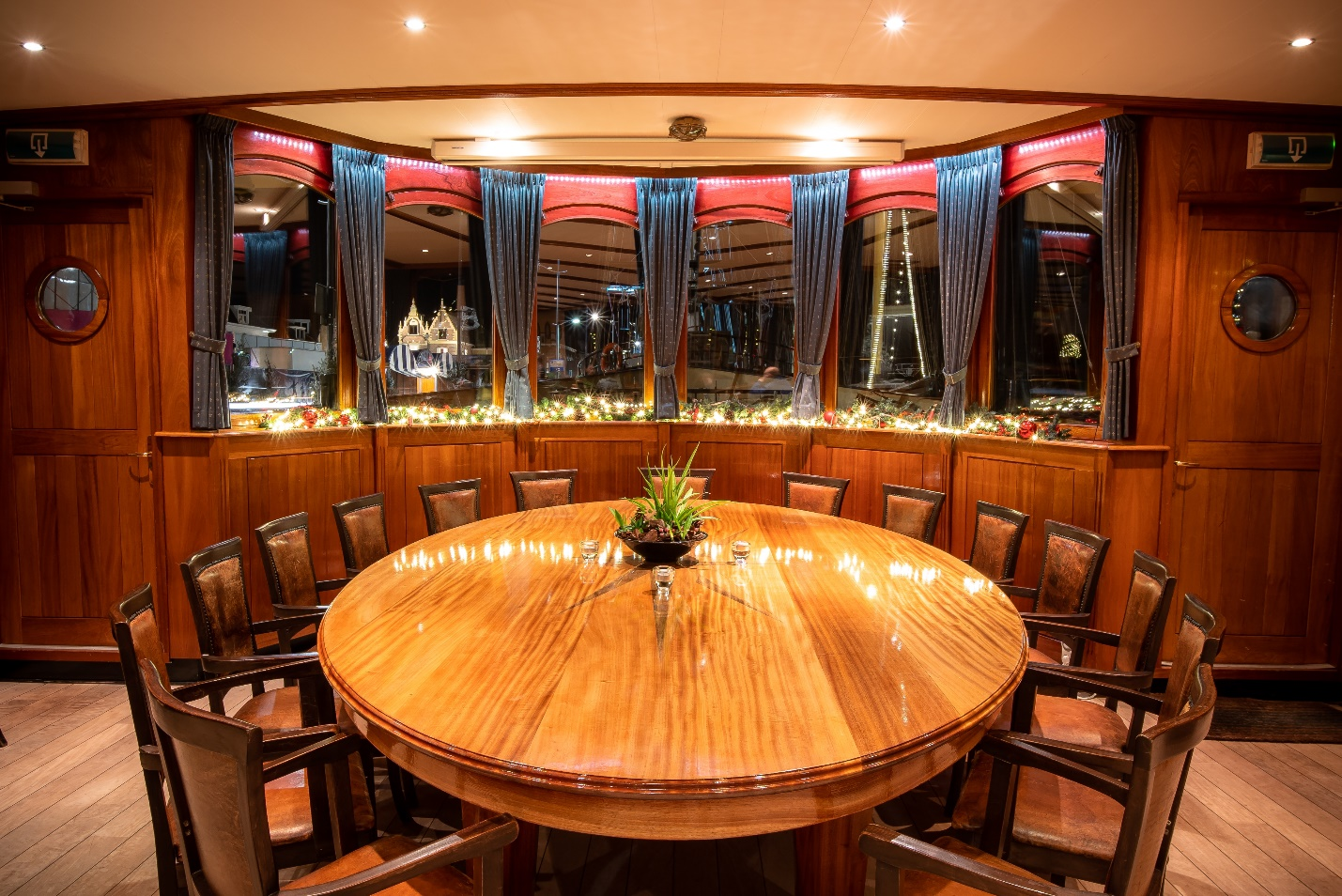
Understanding Space Constraints in a Small Restaurant
It is important to learn about the way the space works in a small restaurant before selecting any furniture, and here is everything you need to know.
What Is the 30-30-30 Rule in Restaurant Layout Design?
The 30-30-30 rule is a commonly referenced guideline in restaurant planning. It proposes division of usable space into three approximately equal portions: seating spots, service spaces, and circulation patterns. This is a balance that will allow guests to sit up comfortably, allow staff to work efficiently, and ensure that walkways are clear.
The bar furniture is appropriate in this model since it can easily combine the seating and circulatory functions, and where the traditional tables will take up more space, the bar furniture takes up less space.
How Much Space Do Small Restaurants Actually Have to Work With?
Small restaurants are also known to run on a small footprint that is usually between 500 and 1,500 square feet. In this small room, the owners should equip seating areas, aisles, service stations, and, in some cases, bar counters.
The most common mistake is buying large-sized or bulky furniture, which would look good alone and look heavy at the location. The slim profiles and vertical seating arrangements are more likely to work in a cramped space.
Why Bar Furniture Is Ideal for Compact Dining Areas?
Bar-height tables and stools naturally take up less visual and physical space than standard dining furniture. They also give the opportunity to sit people in closer places without creating a cramped feeling in the room.
Quick turnover is also encouraged with Bar furnishings, and this comes in handy when a small restaurant's capacity needs to accommodate more people in a small space.
Choosing the Right Bar Furniture to Maximize Space
When the space limitation is clear, the choice of furniture is no longer a decorative one; it is strategic. The right decisions would also help a lot to enhance capacity and comfort.
How Can You Maximize Space in a Small Restaurant with Furniture Choices?
The slender, sleek bar tables with small tops enhance less floor space usage, although they are still practical to sit on. Another solution that works well relates to wall-mounted or counter-attached bar seating, particularly when dealing with the edges.
Multi-purpose items, like the bar tables that can be used as the waiting or standing space, can also assist small restaurants in using the available space more effectively.
What Is the Ideal Spacing Between Bar Tables and Seating?
Safety and comfort are dependent on a proper distance between objects. As a rule, it is supposed to allow about 24-26 inches per person when it comes to bar seating. Main walkways should also have a minimum of 36 inches of clearance to permit the movement of staff and customers.
Fixed vs Moveable Bar Furniture: Which Saves More Space?
Fixed bar counters are space-efficient and visually clean, making them ideal for restaurants with stable layouts. The movable bar furniture is, however, flexible, and owners can reconfigure the seating when there is a peak time or some event. Weightless, portable bar furniture can be very efficient and flexible in very small restaurants.
Choosing Bar Stools That Don't Overcrowd the Floor
The bar stools have narrow legs, narrow bases, or sled frames that contribute towards maintaining the floor open.
Backless stools also come in handy in tight areas, since when not in use, they can be stowed beneath the bar tables. Stools that are stackable or easy to move are also important because the staff can clear a lot of space within a relatively short time in cleaning or off-peak periods.
Layout Efficiency, Customer Comfort, and Operational Flow
The choice of furniture not only influences the sitting arrangements, but it also affects the movement of customers and employees. We have effective layouts that minimize the amount of stress and accelerate service delivery as well as the entire eating experience.
What Are the Three C's in Restaurant Design and How Does Bar Furniture Fit In?
The three C's: Comfort, Circulation, and Capacity are important concepts in the design of restaurants. Bar furniture is comfortable as it provides suitable sitting at the correct height. It enhances circulation since it creates less bulky footprints, and it also increases capacity since more seats can fit in an area than with the normal tables.
Balancing Seating Density with Customer Comfort
Although the bar seating is more dense, comfort should not be compromised. Personal space, legroom, and elbow space are still required of the guests. Good bar furniture provides a balance that allows more seats not to be crowded by the diners. This equilibrium usually results in increased turnover with no alleviation of satisfaction.
Using Bar Furniture to Improve Traffic Flow
Bar furniture can be given an important strategic positioning to increase traffic flow. Bar tables should be placed against walls, windows, or other corners that are not in use so that the main walkways remain clear.
The bar-height furniture also enhances the views in the room; it makes the room look bigger and without any difficulties for the visitors and employees.
Practical Design Tips for Small Restaurants Using Bar Furniture
Beyond layout and spacing, design details play a crucial role in how spacious a restaurant feels and how well it functions day to day.
Material and Color Choices That Make Spaces Look Larger
Light finishes, a sleek metal frame, and an open case base are further used to better reflect light and reduce the visual congestion. Seating areas may be enhanced by bar furniture made from materials that contrast slightly with the underlying floors. Do not use dark or intense designs that cover up the light and reduce the visible space.
Custom Bar Furniture for Tight or Awkward Spaces
Standard furniture sizes don't always work in small restaurants with unusual layouts. Custom bar furniture will enable the owners to achieve greater precision of the desired width, height, and shape according to their space. This will decrease the wastage of space and ensure that each seating space has a clear use.
Common Mistakes to Avoid When Using Bar Furniture in Small Restaurants
Here are the most common mistakes you must avoid:
- Overloading the space with too much furniture will reduce comfort and restrict movement.
- Ignoring service paths and making the staff go through inefficient and tight corners.
- Choosing residential-grade bar stools for commercial usage results in durability concerns and replacement costs.
Make Strategic Furniture Choices for Small Restaurants
Space optimization is one of the most important factors in the success of a small restaurant, and furniture plays a central role in achieving it.
When used strategically, bar furniture helps to ensure that the seating is maximized, enhances the movement of people and ensures that the furnishings do not overcrowd the area.

 3/F, No.8,Zhi' An Middle Road, Jun' An Town, Shunde District, Foshan City, Guangdong Province,China.