


How to Remove Stains From a Living Room Bench?
A living room bench is both useful and stylish. It gives you extra seating and helps to balance the look of your room. It also often offers storage space, too. However, it can easily get stains from food, drinks, dust, pets, or everyday wear because it is used frequently.
If you are a homeowner, cleaning your bench properly keeps it looking fresh. Knowing how to care for benches helps them last longer and save money on replacements for retailers, hotels, or property managers. Even though a good living room bench from a trusted manufacturer is made to be durable, cleaning it the right way is still very important.
Here we will show you how to remove stains from different types of bench materials and how to keep your bench in great shape for the long run.
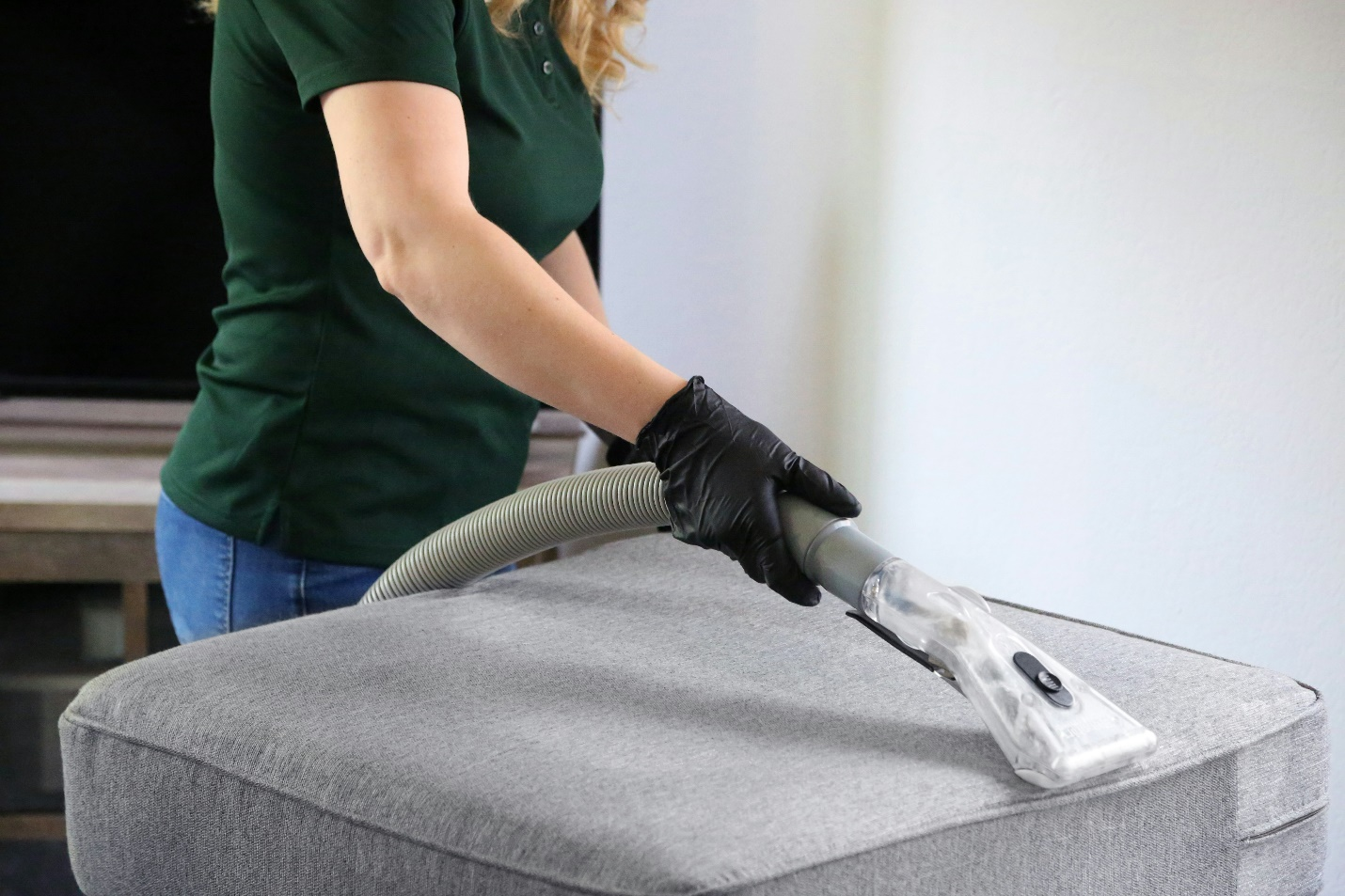
Good Quality Makes Cleaning and Care Easier
How a living room bench is made really affects how well it stands up to stains and wear. Strong stitching, long-lasting foam, and protective coatings all help the bench stay durable.
Trusted manufacturers test their fabrics to make sure they do not fade or get damaged easily, even after many cleanings.
For retailers and project buyers, choosing a reliable manufacturer means the benches will last longer, and customers will have fewer problems with maintenance.
Understand What Material Your Bench Is Made Of
It is important to know what material your bench has before you start cleaning. Using the wrong cleaner or method can damage the fabric, fade the color, or hurt the surface. Knowing what your bench is made of will help you clean it the right way and keep it looking beautiful.
Fabric Upholstery
Fabric benches are popular in homes and can be made from linen blends, polyester, velvet, or special performance fabrics. These materials soak up liquids quickly. So, it is best to clean spills right away. Many benches from professional manufacturers come with stain-resistant coatings. However, quick cleaning still helps prevent permanent stains.
Faux Leather or Real Leather
Benches made of leather or leather-like materials are easier to wipe clean. But be careful of harsh cleaners. They can cause cracks or fading. Use gentle cleaners to keep the surface soft and smooth.
Wooden Benches
If your bench is made of wood without any fabric, it needs different care. Try to avoid getting it too wet. This is because water can cause the wood to warp or change color.
What to Do Right After a Spill?
When a spill happens, acting quickly is key. The sooner you clean it, the easier it is to get rid of the stain. Gently blot the spill using a clean, dry cloth. Do not rub, as it can push the stain deeper into the fabric. Carefully remove extra moisture without soaking the bench. You need to avoid using strong cleaners right away.
Quality benches from trusted manufacturers often have tightly woven fabric that slows down stains. However, wiping up spills immediately always works best.
Cleaning Methods for Fabric Living Room Bench Surfaces
Different stains need different care. Many manufacturers test their fabrics to make sure they work well with common cleaners. If you are buying benches in large quantities, you can ask the manufacturer for specific cleaning instructions to keep your benches looking great.
Here are some easy and effective ways to clean most fabric benches.
Mild Soap and Water
Mix a little mild dish soap with warm water. Dip a soft cloth in the mix and gently dab the stained spot. Don’t soak the fabric. Then, wipe the area with a clean damp cloth to remove any soap. Let the bench air dry naturally.
Baking Soda for Smells and Light Stains
Sprinkle baking soda over the stain and leave it for 15 to 20 minutes. It helps absorb moisture and odors. Afterward, vacuum it off. This is safe for most fabrics and recommended by furniture experts.
Vinegar Solution for Tough Stains
Mix equal parts white vinegar and water for stubborn stains. Test this on a hidden spot first to make sure it does not change the color. If it is safe, gently apply it with a cloth.
Care for Leather or Faux Leather Benches
Leather and faux leather need different care than fabric benches.
- Easy Wipe-Down: Use a soft cloth lightly dampened with water to gently wipe the stained spot. Don't scrub too hard.
- Using Mild Soap: If the stain does not come off, mix a little mild soap with water. Gently wipe the area and then dry it right away with a clean cloth.
Avoid using cleaners with alcohol because they can damage the leather finish. Most trusted living room bench manufacturer include care instructions with their products to help you keep your bench looking great.
Remove Stains from Wooden Living Room Benches
Wood needs special care and should not get too wet. Good-quality wooden benches from trusted manufacturers usually have protective finishes. These make cleaning easier and keep the wood looking nice.
- Cleaning the Surface: Wipe the wood gently with a cloth that is just a little damp. Be sure to dry it right away to avoid water spots.
- Getting Rid of Sticky Stains: Mix a few drops of mild soap with water for sticky spots. Clean the area gently and then dry it completely.
When to Call in Professional Cleaning?
Some tough stains like ink, red wine, or oil might not come out with home cleaning methods. For these, it is best to hire professional upholstery cleaners.
Having regular cleaning services helps keep benches in great shape for big commercial projects. When you combine a sturdy bench from a trusted manufacturer with expert cleaning, it can last much longer and stay looking good.
3 Easy Habits to Keep Your Bench Looking Like New
Taking care of your living room bench does not have to be hard. Try these simple habits to keep it in great shape. These easy habits work well in homes, hotels, and lounges where benches get used a lot every day.
- Clean spills right away: Blot spills quickly to stop stains from setting in and to protect the fabric.
- Vacuum often: Dust and dirt can wear out the fabric over time. Light vacuuming once a week helps to keep it looking fresh.
- Use protective covers in busy areas: In homes or places with lots of use, covers or throws can protect the bench from daily wear and tear.
FAQs
How often should I clean my living room bench?
For home use, vacuuming lightly once a week and cleaning spills right away is usually enough. In busy places like offices or hotels, you might need to clean more often.
Are performance fabrics easier to clean?
Yes! Performance fabrics are designed to resist liquids and stains, making them easier to take care of. Many trusted bench makers suggest these fabrics for areas with a lot of use.
When should I call a professional cleaning service?
If regular cleaning does not get rid of tough stains like oil, ink, or deep marks, it is a good idea to hire professional cleaners for the best results.
Conclusion
A living room bench is both useful and stylish, but it needs regular care to stay looking good. Simple steps like quickly wiping up spills and using the right cleaner for the material can help your bench last longer.
For businesses, buying benches from a trusted manufacturer means the furniture is made with better materials that are easier to clean. When you combine good cleaning habits with quality products, your living room bench can stay nice and work well for many years.

 3/F, No.8,Zhi' An Middle Road, Jun' An Town, Shunde District, Foshan City, Guangdong Province,China.